Why Ventura County Avocado Trees Decline — and How to Stop It
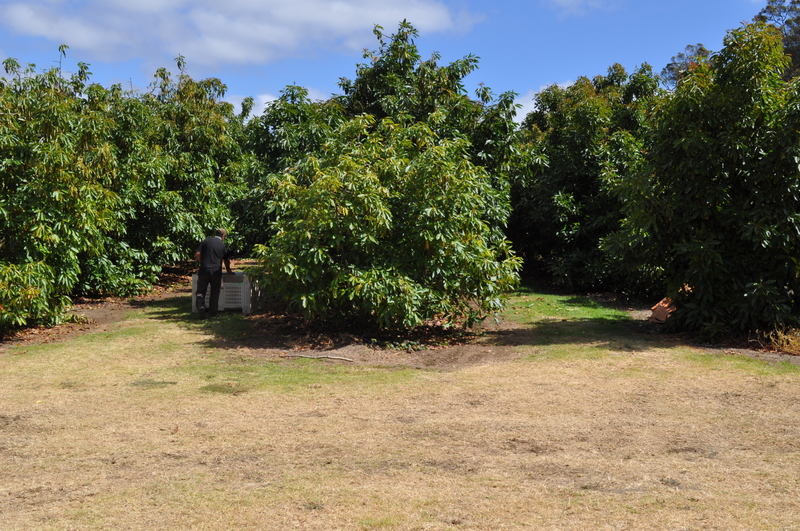
If you've lived in Ventura County long enough, you've watched it happen. A healthy avocado tree — one that's produced fruit for years — starts to look tired. The leaves pale, curl at the edges, drop prematurely. The canopy thins. A season passes with little fruit. Then another. By the time most homeowners call us, the tree has been struggling for two or three years already.
I've been working with avocado trees in this region for over 30 years, and I can tell you: decline rarely happens overnight. It builds slowly, driven by a combination of factors that most homeowners — and frankly, most general tree services — don't fully understand. In this article, I want to walk you through the three most common causes of avocado decline in Ventura County, and what you can actually do about them.
Why Avocados Are Uniquely Challenging in Southern California
Avocado trees (Persea americana) are not native to our coastal Mediterranean climate — they originated in the highlands of Mexico and Central America. They thrive here because our temperatures are mild, but they're also genuinely sensitive. They don't tolerate wet feet, salt buildup, or nutrient stress the way a hardier species might. When conditions slip even slightly out of the ideal range, they show it.
This sensitivity is what makes them rewarding and maddening in equal measure.
Cause #1: Root Rot from Phytophthora cinnamomi
This is the single most common cause of avocado decline in Southern California, and it's responsible for more tree losses than any other factor. Phytophthora cinnamomi is a water mold — not a true fungus — that thrives in wet, poorly drained soil. It attacks the feeder roots, destroying the tree's ability to take up water and nutrients.
The cruel irony is that the symptoms look like drought stress. The leaves wilt, yellow, and drop. The tree looks thirsty. So the homeowner waters more — and makes the problem significantly worse.
What to look for:
- Yellowing of leaves starting at the tips and margins
- Wilting that doesn't improve after watering
- Reduced fruit set
- Dieback of small branches
- Dark, mushy feeder roots (visible if you carefully dig near the drip line)
What to do:
Root rot is manageable if caught early. As a licensed Pest Control Operator, we can apply phosphonate fungicides directly to the soil or as foliar sprays — treatments that are illegal in California without a PCO license. Combined with improving drainage and adjusting irrigation, phosphonate applications have saved many trees that looked to be in terminal decline.
The key is early diagnosis. If your avocado is showing these symptoms, don't wait.
Cause #2: Irrigation — Too Much and Too Little
Avocados have a paradoxical water requirement. They need consistent, deep moisture at the root zone — but they cannot tolerate standing water or overly saturated soil for any extended period. The feeder roots are shallow and fine, concentrated in the top 18–24 inches of soil. When those roots sit in wet soil, they suffocate and become vulnerable to Phytophthora.
In Ventura County, the combination of heavy clay soils in many neighborhoods and automated irrigation systems set too frequently is a recipe for root problems. I see it constantly — drip systems running every day or every other day, applied in short bursts that keep the top few inches perpetually damp without ever encouraging deep root development.
The right approach:
- Water deeply and infrequently — long, slow irrigation that penetrates 24–36 inches
- Allow the soil to partially dry between cycles
- Use a soil moisture probe or simply a long screwdriver to gauge moisture depth before irrigating
- Adjust scheduling seasonally — summer may require 2–3x weekly deep watering; winter often requires none at all
If you're on an automated system, have a professional evaluate your schedule seasonally rather than setting it and forgetting it.
Cause #3: Nutrient Deficiency and Salt Accumulation
Avocados are heavy feeders, and they're also highly sensitive to salt. Our municipal water here in Ventura County carries dissolved salts that accumulate in the soil over time, especially in areas with limited rainfall to flush the profile. Combine that with some fertilizers that also add salts, and you can end up with a root zone that's chemically hostile.
The symptoms of salt toxicity look almost identical to drought stress — tip burn, leaf curl, marginal yellowing.
Nutrient deficiency is equally common. Avocados require regular applications of nitrogen, zinc, boron, and iron to perform well. Without a proper fertilization program, trees may produce poorly and become more susceptible to disease and pest pressure.
What to do:
A proper plant health program addresses both issues together. Periodic deep leaching irrigation (long, slow watering specifically to flush salts below the root zone) combined with a calibrated fertilization program — applied as foliar sprays or soil drenches by a licensed operator — makes an enormous difference.
This is exactly what our Plant Health Care programs are designed to do.
What You Can Do Right Now
If your avocado tree is showing signs of stress, here are immediate steps:
- Stop overwatering. Check soil moisture before every irrigation cycle.
- Pull mulch back from the trunk. Mulch is beneficial, but it should never contact the bark. Maintain a 6-inch clear zone around the base.
- Don't fertilize a stressed tree. If the tree is already declining, fertilizer will add salt load and stress it further. Get a diagnosis first.
- Call an arborist on staff. The difference between a recoverable tree and a lost one is often the timing of intervention.
A Note on Prevention
The best time to address avocado health is before problems appear. An annual inspection, proper irrigation management, and a seasonal PHC program are far less expensive — and far less heartbreaking — than trying to save a tree in serious decline.
If you have avocado trees on your property, I'd love to walk the grounds with you. We serve properties throughout Ventura County, Los Angeles County, and Santa Barbara County, and our consultations are free.
Need an Expert Assessment?
Joel Brinkman is an Arborist on Staff and California Licensed Pest Control Operator with over 30 years of experience in Southern California.
Request a Free Consultation